


Sometimes itch from Alagille syndrome doesn’t take a break—it may make sleeping difficult, too.
To determine a secondary outcome in the BYLVAY clinical trial, caregivers were asked 7 questions about how itch disrupts their child's sleep. If you have questions about how these data were analyzed, your doctor can help explain it further.
By 24 weeks, caregivers of participants on BYLVAY reported
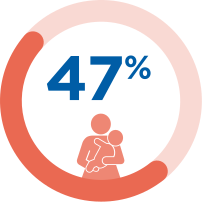
47% fewer days needing soothing from a caregiver to fall asleep compared to 6% taking a placebo
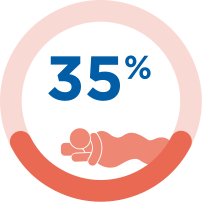
35% fewer days needing to sleep with a caregiver compared to 8% taking a placebo
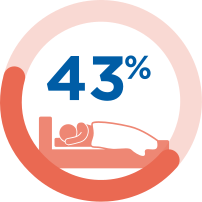
43% fewer days needing help falling asleep compared to 10% taking a placebo
The information shown about sleep disruption is a secondary outcome of the study. It was not analyzed to the same extent as the primary outcome about itch. Data should be reviewed with caution. If you have questions about this limitation, your doctor can help explain it further.
There were also questions about number of awakenings, days seeing blood due to scratching, days needing to take medication to sleep, and a daytime tiredness score, but these were not statistically significant.
The information shown about sleep disruption is a secondary outcome of the study. It was not analyzed to the same extent as the primary outcome about itch. Data should be reviewed with caution. If you have questions about this limitation, your doctor can help explain it further.